Dry Skin Tips from Dermatologists: 8 Habits That Help
A plain summary of AAD dry-skin advice.
We may earn a commission when you buy through links on this page, at no extra cost to you. This does not change which products we cover. How we make money.
Eight habits
- Keep showers to 5 to 10 minutes in warm water, and pat dry.
- Use a gentle cleanser, only where needed. See best gentle face cleansers.
- Shave at the end of the shower.
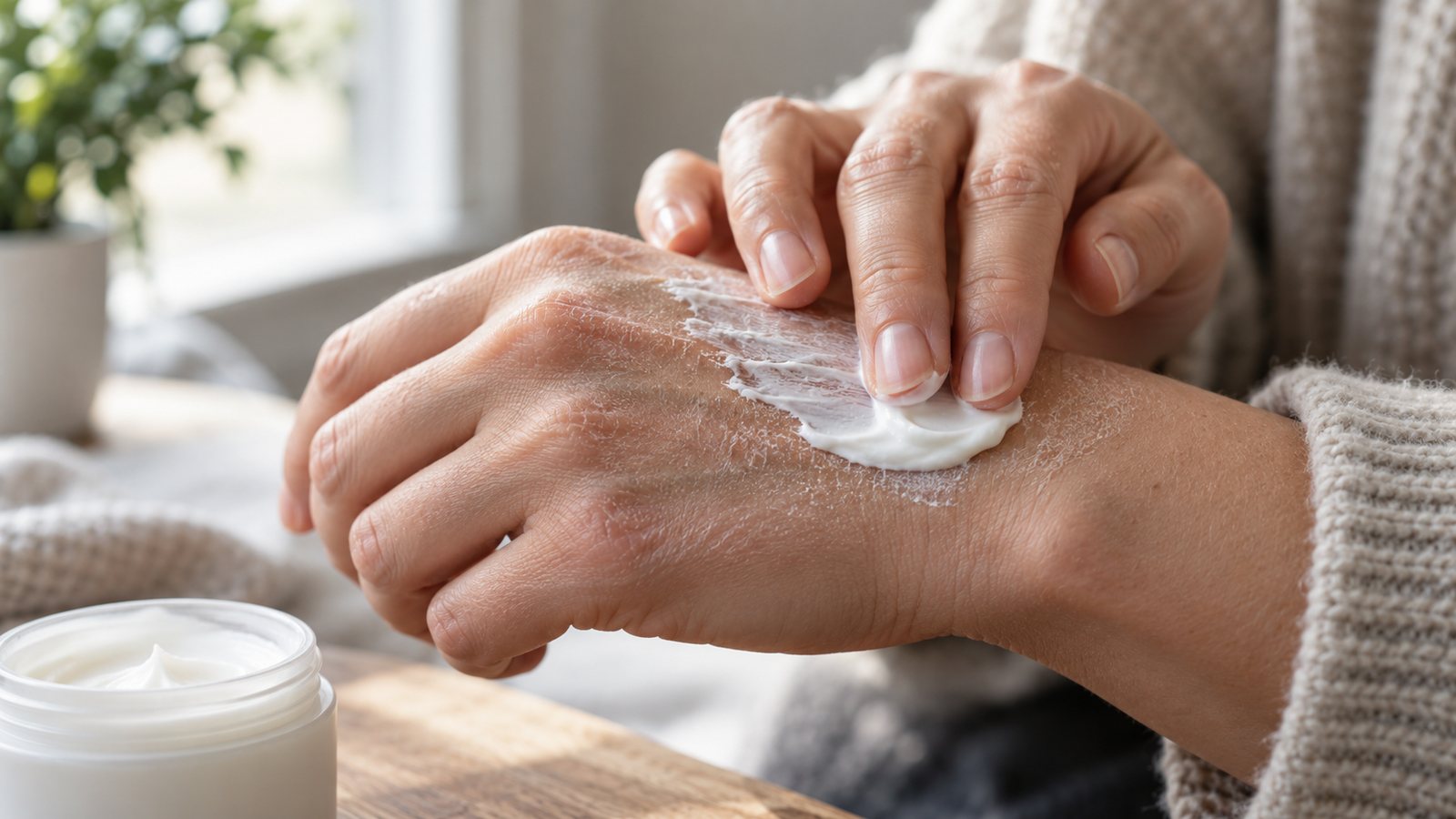
- Moisturize several times a day, while skin is still damp.
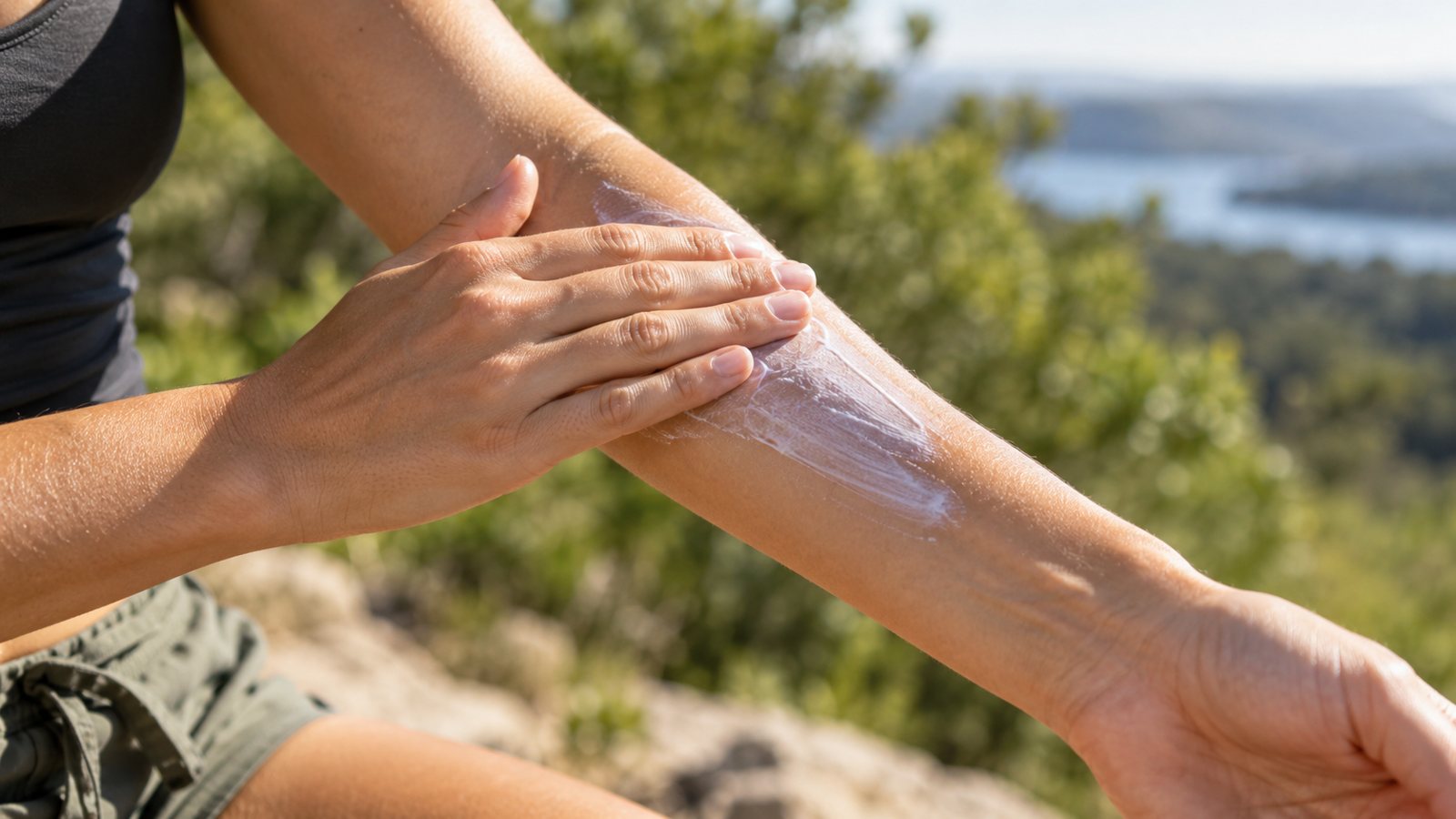
- Use a broad-spectrum, water-resistant SPF 30+ sunscreen.
- Run a humidifier, and clean it often.
- Wear gloves for dishes, gardening and cold air.
- Choose loose cotton clothes.
What to look for
AAD prefers creams or ointments over lotions, fragrance-free over “unscented,” and lists petrolatum, glycerin, dimethicone and hyaluronic acid among useful ingredients. See best moisturizers for dry skin.
AAD also says to skip alcohol (except hand sanitizer), fragrance and retinoids while skin is dry.
The habits, in more detail
Bathing. The AAD says a short shower or bath in warm water can add moisture to skin. It suggests closing the bathroom door to keep the air humid. Pat dry with a clean towel, because rubbing can irritate very dry skin.
Cleanser. Dry skin is damaged skin, the AAD says. Use only enough cleanser to remove dirt and oil, not so much that it makes a thick lather. Use it only where you need it, such as the armpits and groin.
Shaving. Shave at the end of the shower. Water softens skin and hair, so shaving is less likely to irritate.
Moisturizer timing. Apply right after patting dry, while skin is still damp. Reapply after washing your hands and whenever skin feels dry, and massage it in gently. Use lip balm or petroleum jelly on dry lips. The AAD suggests carrying a non-greasy hand cream for use after every hand washing.
Humidifier. Some home heating systems have a built-in humidifier. If you use a portable one, the AAD suggests running it in the bedroom while you sleep and cleaning it regularly to prevent mold.
Gloves and fabrics. Washing dishes, gardening and frequent hand washing can make dry hands worse. Gloves keep hands dry and protect them from cold, dry air. Tight clothes such as leggings rub against skin, and wool or polyester can irritate it. The AAD suggests loose cotton, with a cotton or silk layer under rough fabrics.
Sun. Alongside sunscreen, seek shade, wear sun-protective clothing and avoid tanning, indoors and out.
Ingredients the AAD lists
| Look for (in a cream or ointment) | Stop using while skin is dry |
|---|---|
| Jojoba oil, shea butter, lanolin | Alcohol (hand sanitizer is the exception) |
| Dimethicone, mineral oil, petrolatum | Fragrance, including deodorant soaps |
| Glycerin, hyaluronic acid, lactic acid | Retinoids |
“Unscented” is not the same as “fragrance-free,” the AAD notes. Unscented products can contain chemicals that mask odors, and those chemicals can irritate dry skin. If a lip balm stings or tingles, switch to another one.
When to see a dermatologist
Ask a dermatologist before using an anti-itch cream. The AAD says many contain ingredients that can make dryness and itching worse. See one if dryness continues after trying these tips, or if anything you apply burns or stings. Ongoing dryness can come from conditions such as atopic dermatitis, psoriasis or kidney disease. A dermatologist may recommend a specific moisturizer, a short course of a medication such as a corticosteroid, or treatment for the underlying condition.
Frequently asked questions
What ingredients help dry skin?
AAD lists jojoba oil, dimethicone, glycerin, hyaluronic acid, lactic acid, lanolin, mineral oil, petrolatum and shea butter.
When should I see a dermatologist?
AAD says if dryness continues after these tips, since it may be linked to a condition like atopic dermatitis.